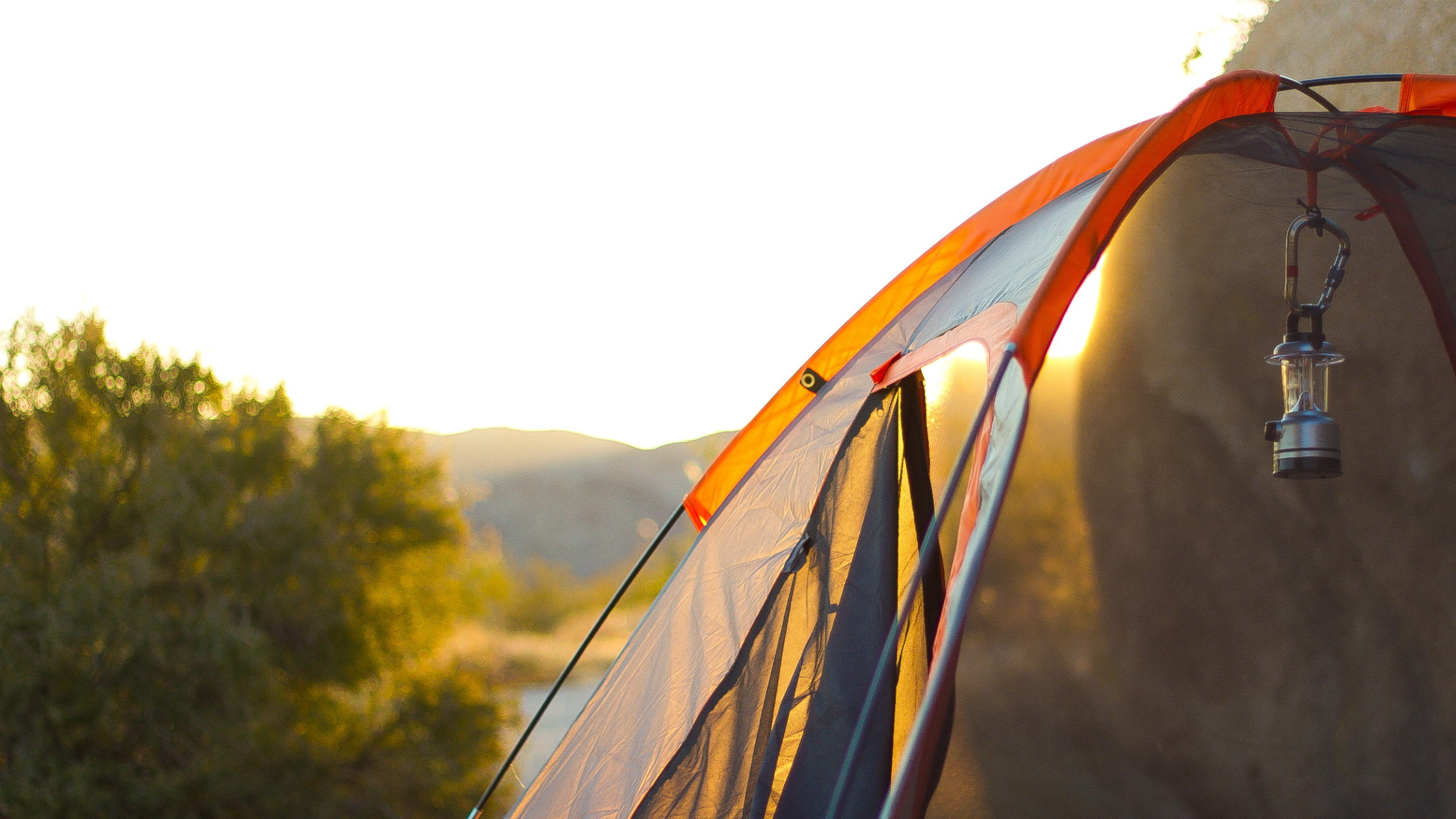
There’s something undeniably therapeutic about camping in the outdoors. Whether it’s the peaceful solitude of a forest, the breathtaking expanse of a mountain range, or the calming rhythm of a riverside retreat, camping offers an incredible opportunity to reset and make lasting memories.
But as many of us now embrace the great outdoors, it’s more important than ever to remember our main responsibility – to protect nature and these precious environments. For millennials, families, groups, and couples alike, being an eco-conscious camper isn’t just a trend – it’s a commitment to preserving the natural world for generations to come.
So, how can we enjoy our camping adventures while taking care of the outdoors? Let’s dive into some practical tips.
1. The Golden Rule: Clean as You Go
This isn’t just a catchy phrase; it’s a set of principles designed to help minimize our impact on the outdoors. Understanding and practicing Leave No Trace (LNT) is the cornerstone of being a responsible and mindful camper.
- Prepare and Plan Consciously: Research your preferred campsite, understand local regulations, and pack appropriately. Know what to expect regarding changes in weather, terrain, and cleaning your gear and de-cluttering. This helps prevent unexpected situations that could lead to environmental damage. (e.g., are campfires allowed on this campsite, or are there certain hours only that are allowed?)
- Travel and Camp on Durable Surfaces: Stick to existing trails and campsites. Avoid creating new paths or trampling sensitive vegetation. When setting up camp, choose a spot that can withstand your presence without being permanently altered. Follow the campsites’ regulations on where to pitch and where to find your camp spot.
- Dispose of Waste Properly: Plan your meals in advance. Prep your menu to avoid unnecessary waste on food. This applies to all your trash, including food scraps, toilet paper, and hygiene products. If there are no trash cans, bring your own trash bags and dedicate a spot at your camp location where you can segregate waste and take everything with you.
- Leave What You Find: Resist the urge to collect souvenirs like rocks, flowers, or any plants. Allow others to experience the beauty of the natural world exactly as you found it.
- Minimize Campfire Impacts: Use established fire rings whenever possible. Keep fires small and easy to manage, ensure they’re completely extinguished before leaving, and never burn plastics or food waste. Better yet, consider using a camp stove for cooking to avoid any hazard on your end and the environment.
- Respect Nature: Observe animals from a distance if there are any. Never feed wild animals, as it can alter their natural behaviors and harm their health. Store food securely to prevent attracting critters to your campsite.
- Be Considerate of Other Campers: Share the trails, but keep noise levels down, and allow others to enjoy their experience in nature. Be mindful of the campsite’s quiet hours and follow them accordingly.
2. Choose Sustainable Camping Gears
Your gear can make a difference! When shopping for camping essentials, consider opting for eco-friendly products.
- Reusable: Invest in high-quality, durable gear that will last for years, reducing the need for frequent buying and replacements. Think reusable water bottles, coffee mugs, and food containers instead of disposables.
- Sustainable Materials: Look for products made from recycled content, organic cotton, hemp, or other sustainable materials. Many camping gear companies are now prioritizing eco-friendly manufacturing processes.
- Solar Power: Ditch the batteries where you can, opt for Solar-powered lanterns, chargers, and even portable showers. Choose gears that are efficient and affordable.
- Biodegradable Soaps & Cleaners: If you need to wash dishes, use biodegradable products and dispose of water responsibly. Follow the campsite’s rules accordingly.
3. Be Mindful of Food and Water Prepping
Food and water are essential for any camping trip, but they can also be sources of waste and contamination.
- Meal Planning: Plan your meals carefully to minimize food waste. Prep your vegetables and pre-mix dry ingredients at home to reduce packaging and waste at the campsite.
- Reusable Containers: Ditch the Ziploc bags where possible and use reusable containers for snacks and leftovers.
- On Conserving Water: While you might be surrounded by nature, fresh water is still a precious resource. Be mindful of your water usage for cleaning, cooking, and hygiene purposes.
- Boil or Filter: If you’re sourcing water from natural bodies, always boil, filter to ensure it’s safe for consumption. This prevents potential contamination and illness.
4. Guide and Inspire
The best way to make a difference is to share your knowledge!
- Lead by Example: Show your friends, family, and fellow campers how important and rewarding it is to be environmentally responsible.
- Share Knowledge: Gently educate others on Leave No Trace principles and sustainable camping practices. A friendly reminder can go a long way. Share tips while on the campsite and be a role model.
- Invite everyone to participate: If you’re camping with a family or group, assign eco-conscious tasks to everyone. One should be responsible for bringing eco-friendly products, one must prep the meal recipes at home, one should be cautious on setting the campfire at night, and the other must be responsible for picking up and segregating the litter. Small steps and actions make a huge impact.
Why It’s Essential to Take Care of the Environment
Every small action we take as campers adds up. By embracing these responsible practices, we contribute to:
- Protecting Biodiversity: Safeguarding the diverse array of plants and animals that call these natural spaces home.
- Preserving the Natural Beauty of Nature: Ensuring that future generations can experience the same stunning landscapes we enjoy today.
- Maintaining Ecosystem Health: Keeping our forests, lakes, and mountains healthy and functioning.
So, as you research the internet and while you pack your bags and plan your next camping adventure, remember: the outdoors gives us so much, and it’s our privilege to give back by truly caring for it. Happy (and responsible) camping!
What’s your favorite eco-friendly camping hack? Share it in the comments below!


Leave a Reply