
So, you’re ready for your first climb or beachside camp-out! Before you get swept away by the beautiful views of Tanay or the shores of Zambales, you need your core “Sleep System.”
In the Philippines, the priorities are simple: Stay Dry, Stay Cool, and Stay Comfortable.
1. The Tent: Your Portable Home
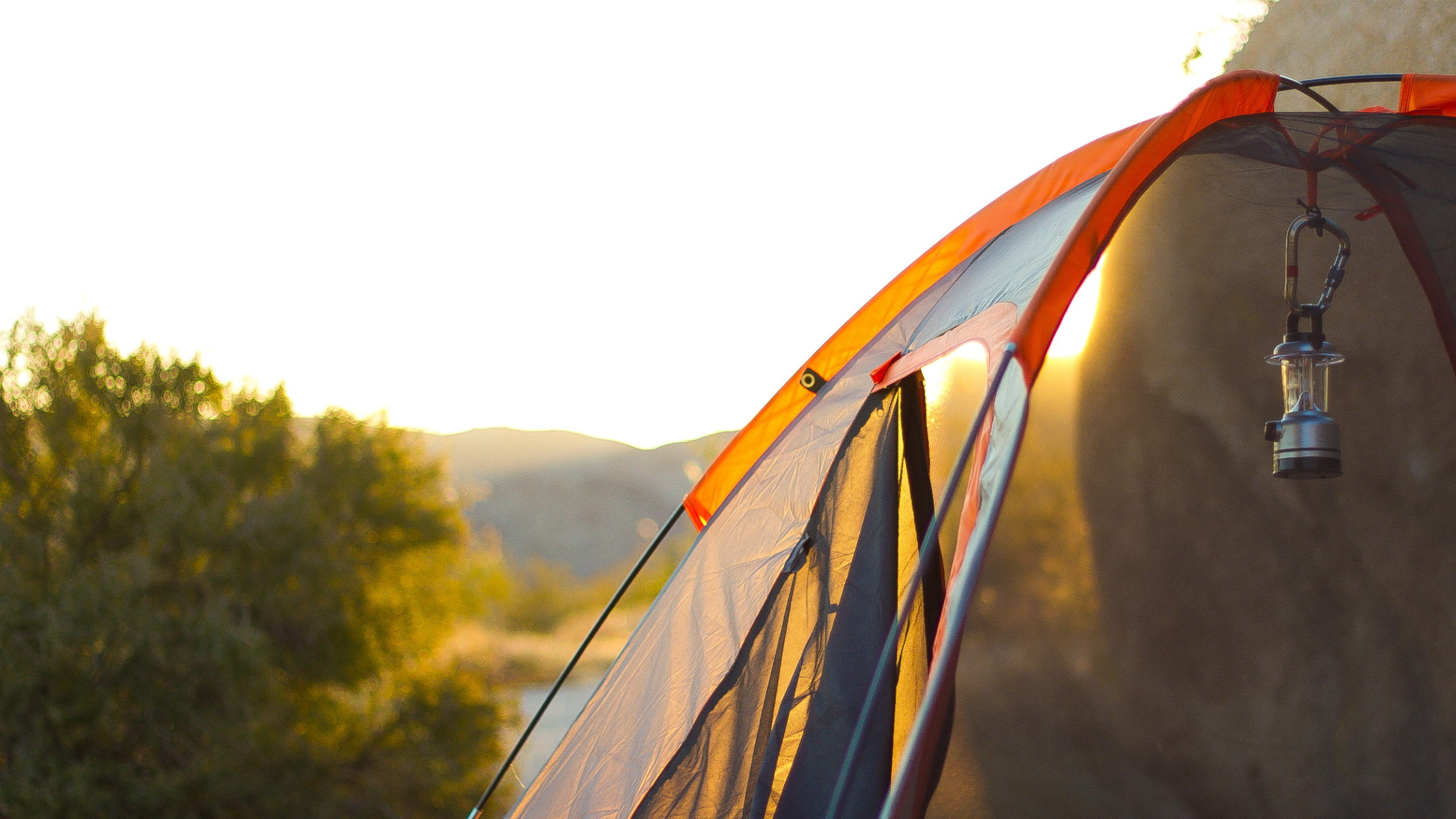
Your tent is staycation cave and protection during your stay at the campground—and in the Philippines, that means sun, bugs, and sudden wind and rain showers. (Depending on the campsite location)
| Key Feature | PH Beginner’s Need | Look For… | Budget Tip |
| Capacity | Buy one size up. (e.g., A 2-person tent for one person + gear). | A 3-Person Tent is a great, roomy starter for two people. | Look for local brands or check other line for value. |
| Season Rating | You only need basic protection from sun, wind and rain. | A 3-Season Tent. Avoid heavy “4-season” tents; they are too hot for the tropics. | Check the tent’s waterproof rating (PU); 1500mm and up is a safe bet. |
| Ventilation | This is crucial for comfort in our climate. | Large mesh panels on the inner tent and two doors for cross-breeze. | Ensure the rainfly can be rolled up or tied back easily when the weather is clear. |
| Ease of Use | You don’t want to struggle in the dark. | Freestanding Tents (stand up without stakes) are the fastest and easiest for beginners. | Practice pitching it at home first! |
2. The Sleeping Pad: Your Most Important Gear
This is often overlooked, but a sleeping pad/sleeping mat is more important than your sleeping bag. It provides the cushioning and insulation you need from the cold, hard ground.
| Key Feature | PH Beginner’s Need | Look For… | Budget Tip |
| Pad or Mat Type | A balance of comfort, ease to clean and use and affordability. | Self-Inflating Pads (SIPs) offer a good compromise between cushion, insulation, and price. | The cheapest option is the simple Closed-Cell Foam (CCF) mat, which is thin but indestructible and light. |
| R-Value | Our ground is rarely freezing, but insulation is still needed. | For the Philippines, a lower R-Value (1.0 to 3.0) is generally enough for comfort. | Higher R-Values mean more insulation (and price), which is overkill unless you’re camping high up in the Cordilleras. |
| Thickness | For a good night’s sleep. | Aim for at least 1.5 to 2 inches of thickness if you choose an air or self-inflating pad. | Remember: Your pad provides the cushion; your bag only provides the warmth. |
3. Choosing your Sleeping Bag
Since most camping in the Philippines is in mild temperatures (or at least mild compared to the West), you don’t need a heavy, sub-zero bag.
| Key Feature | PH Beginner’s Need | Look For… | Budget Tip |
| Temperature Rating | Stay comfortable, not roasted. | A bag rated for 10°C to 15°C (50°F to 59°F) is usually perfect for most mountain or mid-elevation PH camps. | For lowland/beach camping, a simple blanket or sleeping bag liner is often all you need! |
| Shape | Freedom to move on warmer nights. | Rectangular or Envelope-style bags are roomier and can be fully unzipped to be used as a blanket. | Mummy bags are great for deep cold but will likely be too restrictive, uncomfortable and hot for a beginner in the PH. |
| Insulation | Practicality and budget. Choose materials that are easy to clean and easy to pack. | Synthetic Fill (Polyester/Hollow Fiber). It is cheaper, dries much faster, and retains heat even if it gets slightly damp from humidity or rain. | Avoid Down fill for your first bag; it’s expensive and loses all insulation if it gets wet. |
Quick Start-Up Advice:
- Borrow First: If you have friends who camp, borrow the Tent and Sleeping Bag first, to test before committing to a big purchase.
- Spend on the Pad: If you must budget, prioritize the Sleeping Pad. Comfort makes a huge difference in your first camping experience.
- Check Local Stores: Visit stores like Decathlon, Brown Trekker, Camp Zion, Nature Hike or local outdoor retailers for great, budget-friendly starter gear that is appropriate for the tropical climate.
Camping tips? Read more here.


Leave a Reply